CDC diagnostic coronavirus test gets FDA emergency approval

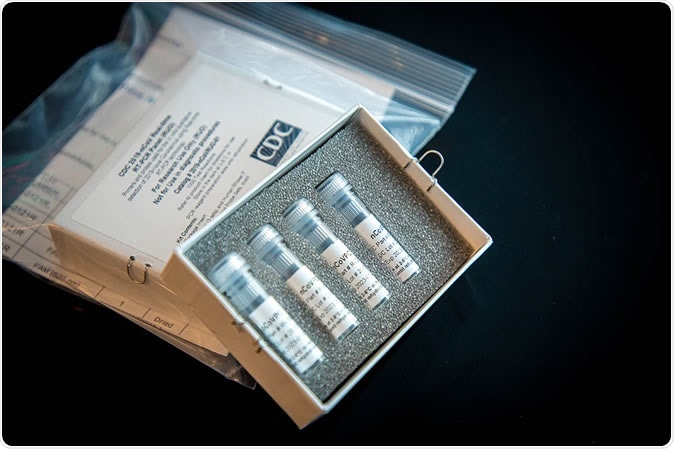
This is a picture of CDC’s laboratory test kit for the 2019 novel coronavirus (2019-nCoV). CDC is shipping the test kits to laboratories CDC has designated as qualified, including U.S. state and local public health laboratories, Department of Defense (DOD) laboratories and select international laboratories. The test kits are bolstering global laboratory capacity for detecting 2019-nCov.

In the light of the ongoing novel coronavirus epidemic in China, the US Food and Drug Administration has granted approval of a diagnostic test for use in emergency situations (emergency use authorization or EUA). The viral infection has spread to many different and distant parts of the world, involving over 25,000 people and causing nearly 600 deaths since it started in December 2019.

The Test

The diagnostic test is called the 2019-nCoV Real-Time RT-PCR diagnostic panel. It was developed by the Centers for Disease Control and Prevention (CDC), and involves the use of reverse transcriptase-polymerase chain reaction (RT-PCR). The RT-PCR test uses nasal secretions or oral swabs to get viral material. The RNA is then copied (transcribed) in the reverse direction to get a complimentary copy of the virus genome in the form of DNA, using the enzyme reverse transcriptase. The complementary DNA is then amplified, that is, multiple copies of the DNA are made using traditional PCR. If the test is positive, it is likely that the person has a novel 2019 coronavirus (2019-nCoV) infection. However, if the test is negative, there is still a chance that the person might be infected. The test is most accurate when used along with clinical observations, the history of the patient and other disease-related risk factors.
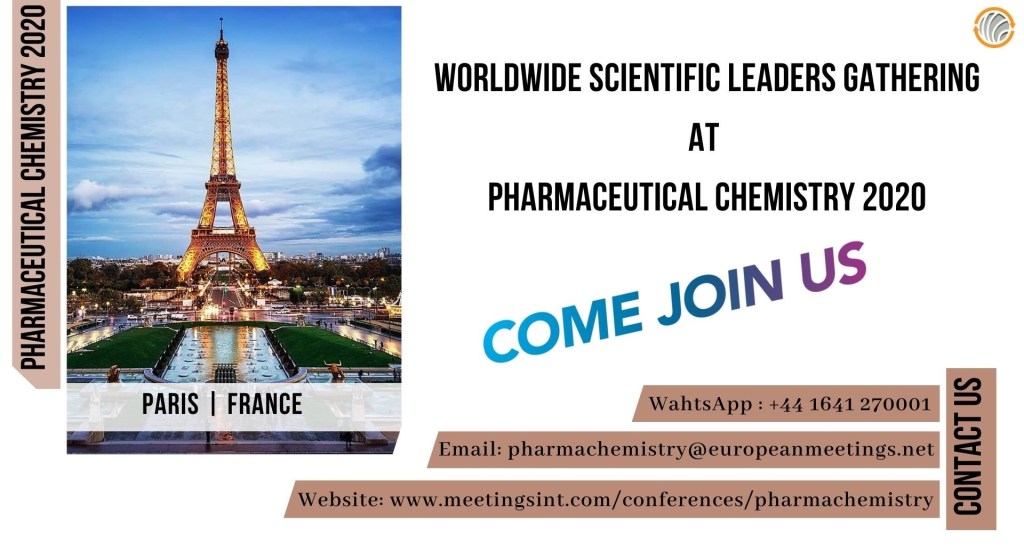
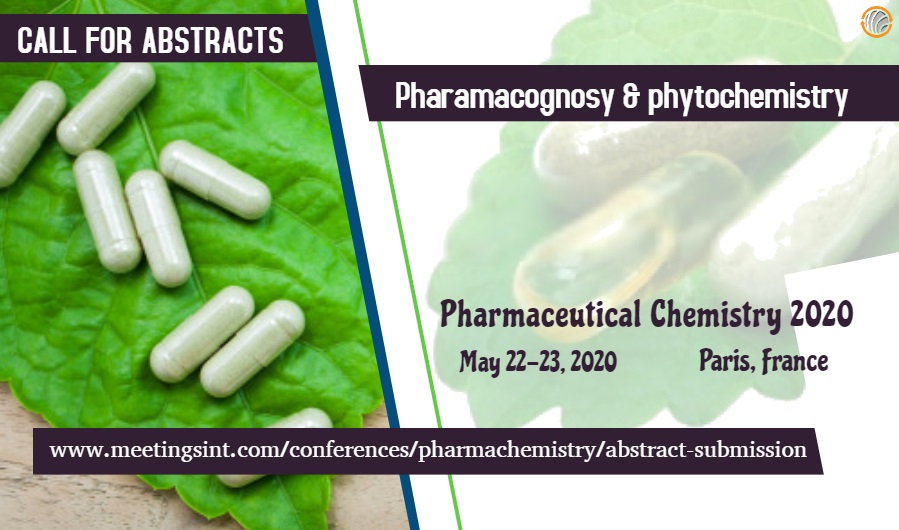
We feel privileged to announce our upcoming “13th International Conference on Pharmaceutical Chemistry” which has been scheduled during May 22-23, 2020 at Paris, France.  Opportunities include Oral talks, Poster presentations, workshops, symposiums and Delegate.

Pharmaceutical Chemistry 2020 is announcing Awards: Best Eminent Presentation Award, Outstanding Oral Presentation Award, Best Organizing Committee Member Award, Outstanding Future Scientist Presentation Award, Best Poster Award and Young Scientist Awards.

The Approval

This test has been restricted to use only in CDC laboratories until now, which means all samples had to be shipped to the CDC laboratories. The shipping time in addition to the 4-6 hours required to run the test added to the time required for diagnosis. Now, however, the test can be run by any laboratory that is qualified to CDC standards, including all state laboratories.

The fast-track approval was made possible by avoiding the usual regulatory channel. Instead, the FDA made use of an EUA which means that if there are no alternatives to the test and the situation is one which poses a risk to life, the test can be approved without fulfilling all the usual mandatory conditions. The EUA was also used for diagnostic tests for Zika virus, Ebola and MERS virus.

Stephen Hahn, the FDA commissioner, stated: “Since this outbreak first emerged, we’ve been working closely with our partners across the US government and around the globe to expedite the development and availability of critical medical products to help end this outbreak as quickly as possible. The ability to distribute this diagnostic test to qualified labs is a critical step forward in protecting public health.”

The US Situation

About 260 people have been tested for the 2019-nCoV, with 11 positives. Nonetheless, the US has already declared the situation to be a public health emergency despite the low threat of coronavirus infection in that country. The ostensible reason is the long period between getting infected and displaying the first symptoms, which gives ample time to spread the infection to others without ever knowing it. However, the impact of the 2019-nCoV epidemic is still markedly less than that of the seasonal influenza sweeping the US, with over 10 million cases and over 10,000 deaths so far, despite the availability of a vaccine. The symptoms of infection with 2019-nCoV are, like those of influenza, mainly headache, fever and a running nose, with body pain. In a small subset the patient develops acute respiratory distress. Health authorities are strongly recommending that any person diagnosed with the infection get in touch with their doctors to control their symptoms and to prevent spread to other people as well.

Conclusion: CDC’s Nancy Messonnier says the EUA will make the US much more capable of testing people suspected of infection. The CDC, she says, has already sent the test to the International Reagent Resource, which is the hub for diagnostic tests, ahead of approval. This ensures that it can be used as soon as the EUA comes through. The FDA is also working with other research agencies to speed up the development and approval of more diagnostic tests that can accelerate diagnosis, and also on bringing out new treatments and possibly preventive measures.

Sources:
https://www.news-medical.net/news/20200206/CDC-diagnostic-coronavirus-test-gets-FDA-emergency-approval

Modeling study estimates spread of 2019 novel coronavirus

Senior author Professor Gabriel Leung from the University of Hong Kong highlights: “Not everyone who is infected with 2019-nCoV would require or seek medical attention. During the urgent demands of a rapidly expanding epidemic of a completely new virus, especially when system capacity is getting overwhelmed, some of those infected may be undercounted in the official register.” He explains: “The apparent discrepancy between our modelled estimates of 2019-nCoV infections and the actual number of confirmed cases in Wuhan could also be due to several other factors. These include that there is a time lag between infection and symptom onset, delays in infected persons coming to medical attention, and time taken to confirm cases by laboratory testing, which could all affect overall recording and reporting.” The new estimates also suggest that multiple major Chinese cities might have already imported dozens of cases of 2019-nCoV infection from Wuhan, in numbers sufficient to initiate local epidemics.

The early estimates underscore that it will likely take rapid and immediate scale-up of substantial public health control measures to prevent large epidemics in areas outside Wuhan. Further analyses suggest that if transmissibility of 2019-nCoV could be reduced, both the growth rate and size of local epidemics in all cities across China could be reduced. “If the transmissibility of 2019-nCoV is similar nationally and over time, it is possible that epidemics could be already growing in multiple major Chinese cities, with a time lag of one to two weeks behind the Wuhan outbreak,” says lead author Professor Joseph Wu from the University of Hong Kong. “Large cities overseas with close transport links to China could potentially also become outbreak epicentres because of substantial spread of pre-symptomatic cases unless substantial public health interventions at both the population and personal levels are implemented immediately.”

According to Professor Gabriel Leung: “Based on our estimates, we would strongly urge authorities worldwide that preparedness plans and mitigation interventions should be readied for quick deployment, including securing supplies of test reagents, drugs, personal protective equipment, hospital supplies, and above all human resources, especially in cities with close ties with Wuhan and other major Chinese cities.”

In the study, researchers used mathematical modelling to estimate the size of the epidemic based on officially reported 2019-nCoV case data and domestic and international travel (i.e., train, air, road) data. They assumed that the serial interval estimate (the time it takes for infected individuals to infect other people) for 2019-nCoV was the same as for severe acute respiratory syndrome (SARS: table 1). The researchers also modelled potential future spread of 2019-nCoV in China and internationally, accounting for the potential impact of various public health interventions that were implemented in January 2020 including use of face masks and increased personal hygiene, and the quarantine measures introduced in Wuhan on January 23. The researchers estimate that in the early stages of the Wuhan outbreak (from December 1, 2019 to January 25, 2020) each person infected with 2019-nCoV could have infected up to 2-3 other individuals on average, and that the epidemic doubled in size every 6.4 days. During this period, up to 75,815 individuals could have been infected in Wuhan.

“It might be possible to reduce local transmissibility and contain local epidemics if substantial, even draconian, measures that limit population mobility in all affected areas are immediately considered. Precisely what and how much should be done is highly contextually specific and there is no one-size-fits-all set of prescriptive interventions that would be appropriate across all settings,” says co-author Dr Kathy Leung from the University of Hong Kong. “On top of that, strategies to drastically reduce within-population contact by cancelling mass gatherings, school closures, and introducing work-from-home arrangements could contain the spread of infection so that the first imported cases, or even early local transmission, does not result in large epidemics outside Wuhan.” The authors point to several limitations of their study, including that the accuracy of their estimates depend on their assumption about the zoonotic source of infection in Wuhan. They also highlight that the models assume travel behaviour was not affected by disease status and that all infections eventually have symptoms — so it is possible that milder cases have gone undetected which could underestimate the size of the outbreak. Lastly, they note that their epidemic forecast was based on inter-city mobility data from 2019, and might not reflect mobility patterns in 2020, particularly in light of the health threat posed by 2019-nCoV.

Source: https://www.sciencedaily.com/releases/2020/01/200131114753.htm

Russian researchers come up with faster method to discover antibiotics

Russian biochemists have identified a promising new class of antibiotics. Having studied over 125,000 molecules, they found that 2-pyrazol-1-yl-thiazole derivatives exhibit antibacterial properties. One of the discovered compounds has demonstrated a good activity and low cytotoxicity, and thus can serve as a prototype in further studies. The paper was published in The Journal of Antibiotics.

The development of antibiotics is one of the key discoveries of the 20th century. Today’s world is almost unimaginable without them. However, the rise of antibiotic resistance in bacteria — that is, their acquired ability to withstand the effects of drugs — creates a constant need for new drugs. New studies may take years and are hence becoming unprofitable for pharmaceutical companies. This is why novel methods for discovering new classes of antibiotic drugs are of the essence.

Researchers from MIPT and their colleagues from Skoltech, Lomonosov Moscow State University, and the Russian Academy of Sciences Institute of Biochemistry and Genetics in Ufa, devised and applied a semi-automatic analysis method and used a nonresistant strain of the Escherichia coli bacteria as a model organism. The method relies on bacterial activity control and clearly shows the mechanism of action of different compounds. There are a number of ways to kill bacteria. In this study, the scientists looked for either of the two: abnormalities in the bacteria’s genetic material — their DNA — or protein synthesis inhibition. Given that the method is quite simple and can be automated, the scientists were able to study over 125,000 molecules.

“Together with our colleagues, the MIPT lab performed high-throughput screening of small-molecule libraries to identify structurally diverse compounds with antibacterial activity. The screening platform employs a previously described unique method designed to determine the mechanism of action of an antibiotic drug. In the course of the study, we discovered a class of small molecules — 2-pyrazol-1-yl-thiazole derivatives — with the capacity to inhibit a strain of E. coli known as ΔTolC E. coli,” Aladinskaya explained. “These research findings are a starting point for further investigation of this chemotype, including its subsequent structural optimization.”

The study identified 688 substances with marked antibacterial activity. Thirty-eight molecules sharing the 2-pyrazol-1-yl-thiazole scaffold were found to be highly active against ΔTolC E. coli, indicating the potential value of this class of compounds. Interestingly, it was the first time this property was ever observed. As a result, the scientists selected eight compounds that inhibited protein synthesis and measured their toxicity to cells. One of the compounds had an optimal balance between its cytostatic and antibacterial properties.

hanks to the new method, which enables rapid and effective screening of vast numbers of substances, a novel class of compounds with antibacterial activity was identified. Plans are underway to study their properties against antibiotic-resistant strains.

We feel privileged to announce our upcoming “13thInternational Conference on Pharmaceutical Chemistry” which has been scheduled during May 22-23, 2020 at Paris, France. We would like to invite to all, Opportunities include Oral talks, Poster presentations, workshops, symposiums and Delegate.

Source: https://www.news-medical.net/news/20190926/Russian-researchers-come-up-with-faster-method-to-discover-antibiotics.asp

Dozens of non-oncology drugs can kill cancer cells

Researchers tested approximately 4,518 drug compounds on 578 human cancer cell lines and found nearly 50 that have previously unrecognized anti-cancer activity. These drugs have been used to treat conditions such as diabetes, inflammation, alcoholism, and even arthritis in dogs. The findings suggest a possible way to accelerate the development of new cancer drugs or repurpose existing drugs to treat cancer.

“We thought we’d be lucky if we found even a single compound with anti-cancer properties, but we were surprised to find so many,” said Todd Golub, chief scientific officer and director of the Cancer Program at the Broad, Charles A. Dana Investigator in Human Cancer Genetics at Dana-Farber, and professor of pediatrics at Harvard Medical School.

The new work appears in the journal Nature Cancer. It is the largest study yet to employ the Broad’s Drug Repurposing Hub, a collection that currently comprises more than 6,000 existing drugs and compounds that are either FDA-approved or have been proven safe in clinical trials (at the time of the study, the Hub contained 4,518 drugs). The study also marks the first time researchers screened the entire collection of mostly non-cancer drugs for their anti-cancer capabilities.

Historically, scientists have stumbled upon new uses for a few existing medicines, such as the discovery of aspirin’s cardiovascular benefits. “We created the repurposing hub to enable researchers to make these kinds of serendipitous discoveries in a more deliberate way,” said study first author Steven Corsello, an oncologist at Dana-Farber, a member of the Golub lab, and founder of the Drug Repurposing Hub.

The researchers tested all the compounds in the Drug Repurposing Hub on 578 human cancer cell lines from the Broad’s Cancer Cell Line Encyclopedia (CCLE). Using a molecular barcoding method known as PRISM, which was developed in the Golub lab, the researchers tagged each cell line with a DNA barcode, allowing them to pool several cell lines together in each dish and more quickly conduct a larger experiment. The team then exposed each pool of barcoded cells to a single compound from the repurposing library, and measured the survival rate of the cancer cells.

We welcome academics, research scientists, start-ups and industry to share their ideas and projects, meet new ideas and people.

Join at 13th International Conference on Pharmaceutical Chemistry will be held in Paris, France during May 22-23, 2020 which includes prompt keynote presentations, Oral talks, Poster presentations and Exhibitions. The theme of the Conference is “Exploring New Challenges, Innovations in Pharmaceutical Chemistry & Drug Discovery”

Source:

https://www.sciencedaily.com/releases/2020/01/200120113130

This ‘lemon’ could help machine learning create better drugs

Purdue University drug discovery researchers have created a new framework for mining data for training machine learning models. The framework, called Lemon, helps drug researchers better mine the Protein Data Base (PDB) — a comprehensive resource with more than 140,000 biomolecular structures and with new ones being released every week. The work is published in the Oct. 15 edition of Bioinformatics.

“PDB is an essential tool for the drug discovery community,” said Gaurav Chopra, an assistant professor of analytical and physical chemistry in Purdue’s College of Science who works with other researchers in the Purdue Institute for Drug Discovery and led the team that created Lemon. “The problem is that it can take an enormous amount of time to sort through all the accumulated data. Machine learning can help, but you still need a strong framework from which the computer can quickly analyze data to help in the creation of safe and effective drugs.”

The Lemon software platform is a fast C++11 library with Python bindings that mines the PDB within minutes. Loading all traditional mmCIF files in the PDB takes about 290 minutes, but Lemon does this in about six minutes when applying a simple workflow on an 8-core machine. Lemon allows the user to write custom functions, include it as part of their software suite, and develop custom functions in a standard manner to generate unique benchmarking datasets for the entire scientific community.

“Experimental structures deposited in PDB have resulted in several advances for structural and computational biology scientific and education communities that help advance drug development and other areas,” said Jonathan Fine, a PhD student in chemistry who worked with Chopra to develop the platform. “We created Lemon as a one-stop-shop to quickly mine the entire data bank and pull out the useful biological information that is key for developing drugs.”

Lemon got its name as it was originally designed to create benchmarking sets for drug design software and identify the lemons, biomolecular interactions that cannot be modeled well, in the PDB.

On the behalf of the organizing committee of Pharmaceutical Chemistry 2020, it gives me immense pleasure to invite you to be a part of “13th International Conference on Pharmaceutical Chemistry”, during May 22-23, 2020 in Paris, France.

For more info :https://www.meetingsint.com/conferences/pharmachemistry

Story Source: sciencedaily.com/releases/2019/12/191220074256

Plant-derived SVC112 hits cancer stem cells, leaves healthy cells alone

The red, tube-shaped flowers of the firecracker bush (Bouvardia ternifolia), native to Mexico and the American Southwest, attract hummingbirds. The bush also provides the chemical bouvardin, which the lab of University of Colorado Cancer Center and CU Boulder researcher, Tin Tin Su, PhD, and others have shown to slow a cancer’s ability to make proteins that tell cancer cells to grow and spread. Now a paper based on nearly half a decade of work, published in the journal Cancer Research, shows that the molecule SVC112, based on bouvardin and synthesized by Su’s Colorado-based pharmaceutical startup, SuviCa, Inc. acts specifically against head and neck cancer stem cells (CSCs), resulting in better tumor control with less toxicity to healthy cells than existing, FDA-approved protein synthesis inhibitors. The group hopes these promising preclinical results will lay the groundwork for human clinical trials of SVC112 in head and neck cancer patients.

These awards represent the pinnacle of professional achievement for event professionals. They recognize Best Eminent Presentation Award, Outstanding Oral Presentation Award, Best Organising Committee Member Award,  utstanding Future Scientist Presentation Award & Best Poster Award. We invite all enthusiastic researchers from all around the world join us for the Pharmaceutical Chemistry 2020 conference scheduled in Paris, France on May 22-23, 2020.

“Proteins are the keys to initiating genetic programs in the cells to tell them Now you grow, now you stay put, now you metastasize. And those proteins are called transcription factors,” says paper co-senior author, Antonio Jimeno, MD, PhD, director of the Head and Neck Cancer Clinical Research Program and co-leader of the Developmental Therapeutics Program at CU Cancer Center, member of the Gates Center for Regenerative Medicine, and the Daniel and Janet Mordecai Endowed Chair for Cancer Stem Cell Research at the CU School of Medicine. Cancer stem cells (CSCs) are a subpopulation of cancer cells that, like healthy stem cells, act as factories, manufacturing cells that make up the bulk of a cancer’s tissue. Unfortunately, CSCs often resist treatments like radiation and chemotherapy, and can survive to restart tumor growth once treatment ends.

“Many groups have linked the production of transcription factors to the survival and growth of cancer stem cells, but inhibitors have just been too toxic — they come with too many side effects. Definitely our studies suggest that this drug could be an advantage over existing drugs. It inhibits protein synthesis in a way that no other drug does and that’s why we’re excited,” says Su, who is also co-leader of the CU Cancer Center Molecular and Cellular Oncology Program.

Importantly, the group’s work showed that SVC112 acts specifically against proteins like Myc and Sox2 needed by cancer stem cells, while leaving healthy cells relatively unharmed. They did this by comparing the effects of the drug in “matched pairs” of cancer cells and healthy cells grown from samples graciously donated by five head and neck cancer patients in Colorado. For further comparison, the group did the same experiments with the FDA-approved protein synthesis inhibitor known as omacetaxine mepesuccinate (also called homoharringtonin, or HHT). “Having cancer cells along with matched non-cancer cells from the same patient is pretty unique. When we tested these matched pairs with SVC112 and with HHT, what we saw is the approved drug eliminated both cancer and normal cells, whereas SVC112 had selectivity — it affected cancer cells but not healthy cells — so theoretically the effects on the normal tissue will be less,” Su says. In fact, healthy cells were between 3.8 and 5.6 times less sensitive to SVC112 than were cancer cells (healthy cells and cancer cells were equally sensitive to the FDA-approved drug HHT).

The next step was using SVC112 to treat head and neck tumors grown in mouse models from samples of human tumors. Earlier work had shown that SVC112 sensitized previously radiation-resistant CSCs to radiation treatment, and so the group tested SVC112 and radiation alone and in combination.

“What we saw is that only when you decrease the population of cancer stem cells to under 1 percent of the total makeup of a tumor did the tumor shrink,” Jimeno says. “It’s like cancer stem cells are in the control tower, directing the growth of the tumor. If you impair enough of these directors, other cancer cells don’t know what to do and cancer growth slows down or stops.” Ongoing work continues in two major directions, with Su’s team continuing to propel the drug toward the clinic and Jimeno’s team working to understand of the basic biology driving the drug’s action, how to best combine it with other treatments such as radiation or immunotherapy, and its potential uses in other cancer types.

“This is the first report of the drug, from the drug’s chemical structure, its basic effects on commercial cell lines, to its mechanism of action with patient-derived cell lines and more complex action on CSCs, all the way to animal models from patient samples,” Jimeno says. Early drug development undertaken outside the funding structure of established pharmaceutical sponsors often requires contributions from many sources, and the current project is no exception, receiving support from subcontracts to SuviCa’s Small Business Innovation Research (SBIR) award, a National Institutes of Health grant to the Su lab, pilot funding from the CU Cancer Center, and philanthropy support from the Gates Center and the CU School of Medicine.

“We are so grateful for the belief from all these organizations and individuals, and especially to our patients, whose courage has been essential in making the models we need to test this new drug,” says Jimeno.

Proposals are already underway to take the next important step: Testing SVC112 in an early human clinical trial.

Story Source:

Materials provided by University of Colorado Anschutz Medical Campus. Note: Content may be edited for style and length.

https://www.sciencedaily.com/releases/2020/01/200108131717.htm

How is Chemoinformatics Used in Drug Discovery?

Chemoinformatics is a relatively new principle of chemistry and is based upon the processing of data concerning chemical and molecular structures through the use of computational analysis.

The analysis of these data allows the relationship between chemical structure, chemical properties, and molecular activity to be studied. It is an in silico technique, which means it is a form of scientific study which is performed virtually on a computer via software and simulations.

The normal process of drug discovery entails selecting a disease to target, then searching for potential compounds and molecules which can be used to reduce the severity of the disease in some way. This is done through many stages of screening, which normally compare the effectiveness of these potential molecules to stop a biochemical mechanism. Chemoinformatics can drastically enhance this process, as one of the principal applications of chemoinformatics in research is the discovery and development of drugs. There are many techniques available in order to achieve this, and the use of software to calculate and visualize structures is crucial.

Virtual screening:

In order to reduce costs and speed up drug discovery when screening for new potential compounds that could be developed into drugs, virtual screening can be used to filter out certain compounds early on that aren’t compatible without the need for physical screening. This method uses computer software to build virtual screens and simulations which can check for potential molecules that have the potential to be developed into drugs with much higher efficiency than conventional methods. Compounds are sorted and filtered by their solubility, their cross-reactivity with other compounds, and whether they contain potentially toxic groups.

High throughput screening:

High throughput screening (HTS) is a classic technique used for drug discovery and development to test large numbers of different molecules for stimulatory or inhibitory effects in an automated screening process. It has become highly automated and very efficient in recent years, with liquids being used at a nanoliter scale, and advanced robotics used to carry out these screens precisely. Chemoinformatics can be used for sequential HTS to more efficiently produce screening for ligand-receptor interactions. The stronger these interactions, the more viable the sample is for drug development. Virtual screens are used to provide preliminary information for HTS. Virtually screening for compounds uses information from online databases of compounds, and software which calculates chemical interactions to reduce the costs and time, which normally come with the high throughput screening process. HTS is then carried out, producing more accurate results, which are compared to other online libraries to improve screening in the future.

In silico ADMET:

The physical and chemical characteristics of a drug need to be fully understood in order to work out how exactly a drug molecule is absorbed by the body, distributed around the body, metabolized, and excreted. The toxicity of the drug in these circumstances is also vital knowledge. These categories of study are referred to as ADMET. Normally all of these mechanisms are investigated after a compound has been identified for drug use, but using chemoinformatics, it is now possible to identify the characteristics of a drug for these mechanisms at a much earlier stage in development. Computational analysis is used to determine which compounds have good ADMET properties to use in the screening process.  This reduces the expanse of the screening process and therefore reduces the time needed for the discovery of drugs, costs, and difficulty. More drugs can be discovered and developed each year with the use of chemoinformatics.

Invite to all to participate at the prestigious “13th International Conference on Pharmaceutical Chemistry“, which is to be held at Paris, France during May 22-23, 2020. Being a member of the “Big Leagues” with significant expertise in this area your presence would be a great addition to Pharmaceutical Chemistry 2020. The congress would comprise of key note presentations, oral presentations, poster presentations, video presentation, symposiums and workshops.

Sources:

https://www.news-medical.net/life-sciences/How-is-Chemoinformatics-Used-in-Drug-Discovery.aspx

Design a site like this with WordPress.com
Get started